Inventory management software has become a standard part of running an e-commerce or retail operation. It promises visibility, control, and efficiency. And at a certain stage, it delivers exactly that.
But as brands grow, something changes.
Inventory management software has become a standard part of running an e-commerce or retail operation. It promises visibility, control, and efficiency. And at a certain stage, it delivers exactly that.
But as brands grow, something changes.

Inventory management software has become a standard part of running an e-commerce or retail operation. It promises visibility, control, and efficiency. And at a certain stage, it delivers exactly that.
But as brands grow, something changes.

In a recent Anvyl survey, 73% of businesses said they were planning to scale into a new channel over the next 6-12 months. 71% were also looking to add more suppliers to their portfolio.
The problem? Many of these brands are already struggling to manage their supply chains, with 67% still using Excel to plan their inventory and 66% reporting existing overstocks.
“Folks are still facing a lot of difficulties when it comes to managing the first mile of their supply chain,” says Carissa Davis, Senior Customer Success Manager at Anvyl.
The ecommerce world is changing faster than you can say “unified omnichannel experience."
Customers demand better visibility, stronger brand values, and compliance with key sustainability practices. Yet inventory stockouts and supply chain setbacks are still a regular (and expensive) challenge for modern retailers.
To scale successfully, brands need lean, agile inventory planning systems that can adapt to any demand fluctuation, market phenomenon, or natural disaster.
In this article, we’ve rounded up some of the top ecommerce trends that could have...
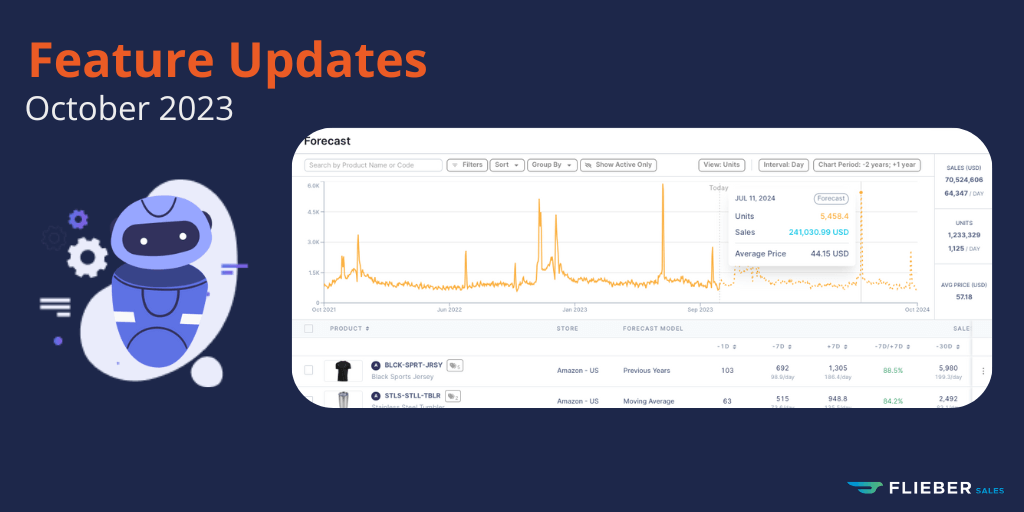
October has been exciting for the Flieber Team as Flieber Sales has officially launched!
Continue reading to learn a little more and check out other Flieber product updates that released this month, including a feature that will be deprecated.
Here is a TLDR:

According to a study from the IHL Group, inventory distortion (i.e., stockouts and overstocks) will cost retailers nearly $1.8 trillion in 2023. That’s roughly the size of Brazil’s entire GDP.
The impact of stockouts on customer satisfaction can be devastating for modern commerce brands. In 2022, more than half of global e-shoppers reported being unable to purchase products due to stockouts.
According to one McKinsey survey, 71% of consumers said they switched brands or retailers when they couldn’t find their desired product in stock. Only 13% stayed...

You’re doing well on Amazon and you know it’s time to branch out into other channels. You also know there's a huge opportunity in adding Shopify to the mix.
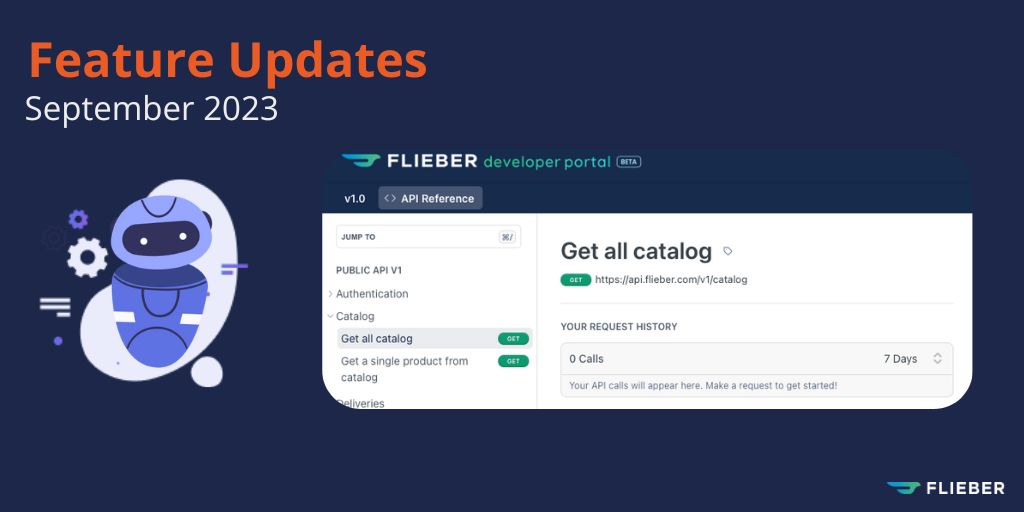
September’s big update is about the now publicly available API! Read on to learn more about it. Don't forget to check out this month's latest blog posts.
Here is a TLDR:
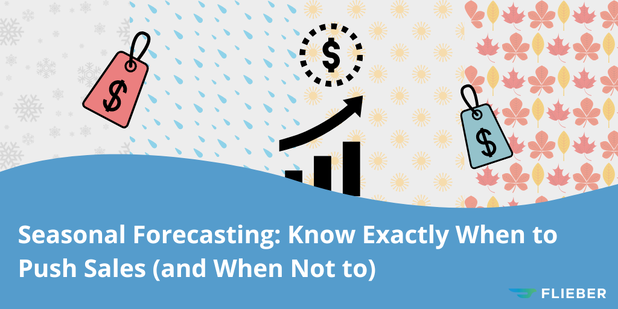
As an e-commerce retailer, no two days are the same, especially when it comes to balancing your sales and inventory.
For most e-commerce brands, seasonality is treated as a prediction challenge. Teams try to estimate how big the next peak will be, how much inventory to buy, or how aggressive campaigns should run. But this mindset misses the real point.
Optimizing your inventory for seasonal variations takes focus, energy, and more manual work than you probably have time for. But failing to plan for seasonality could cost you even more.
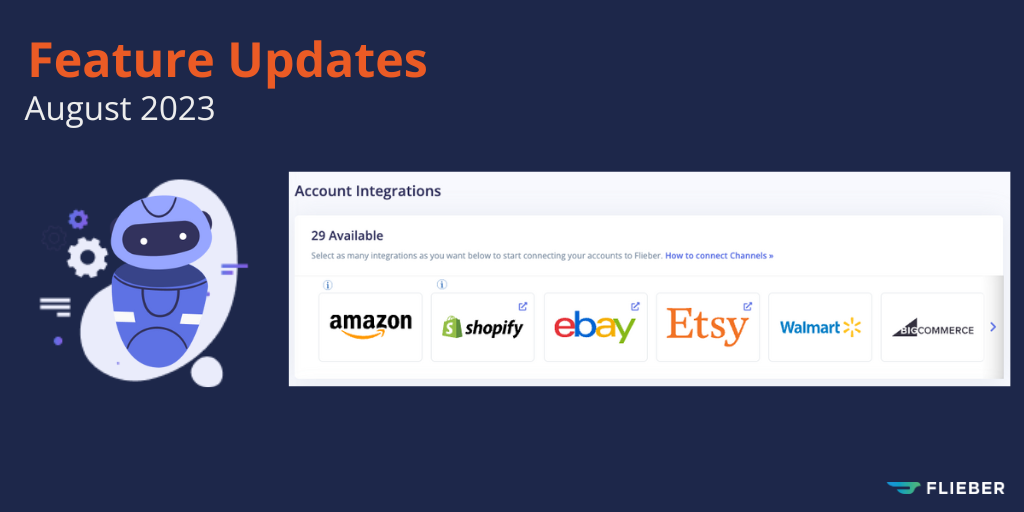
August’s product updates has two main categories: Flieber Integrations and UX updates. Also, the exciting introduction of Flieber Lite! Check it out here.
Here is a TLDR: