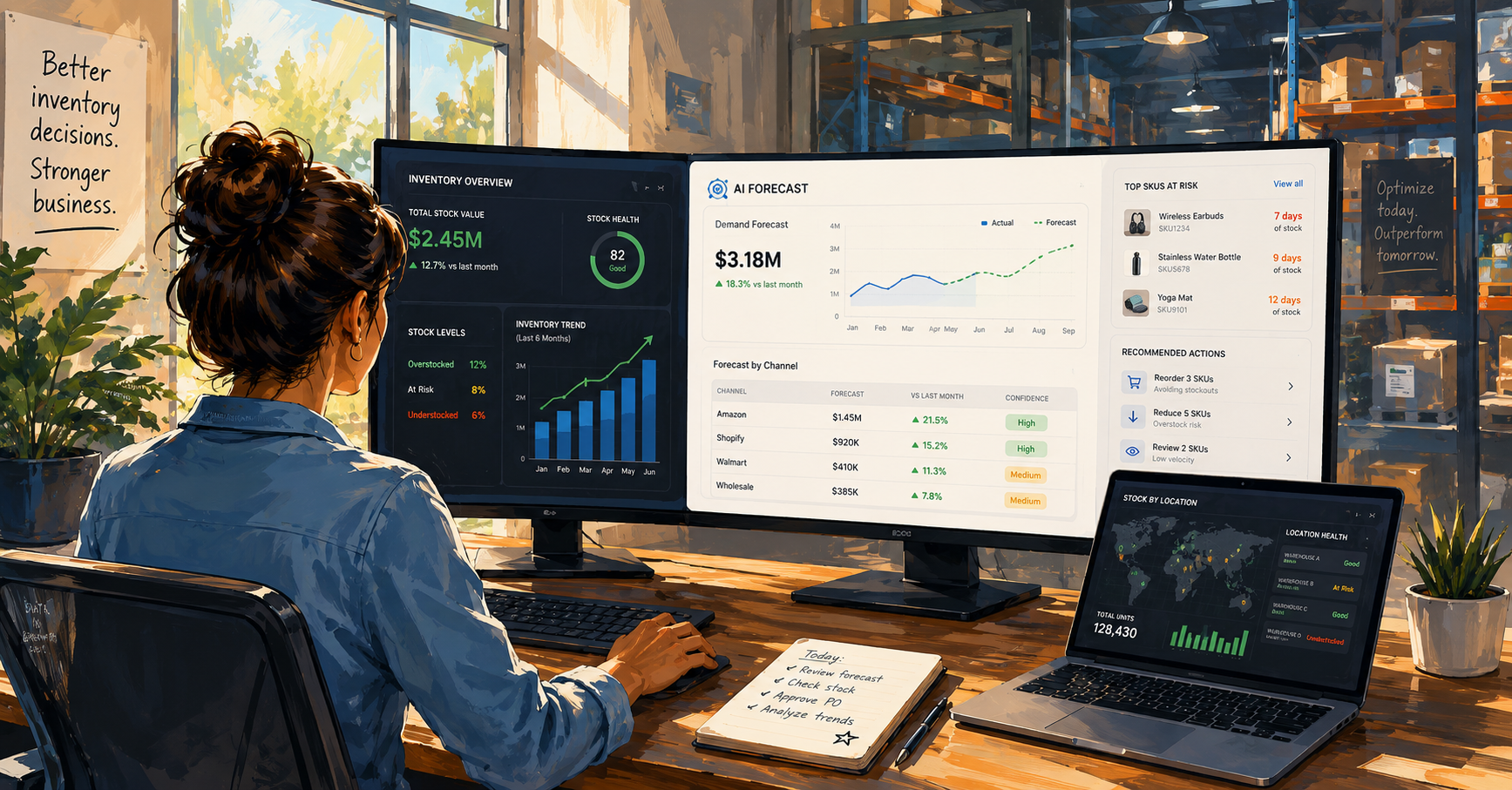
Running a lean supply chain used to mean one thing: cut costs wherever possible. Reduce headcount, negotiate harder with suppliers, squeeze every dollar out of freight. It was a game of minimization, and it came with real tradeoffs — lower safety stock meant higher stockout risk, tighter supplier terms meant less flexibility, and leaner teams meant more pressure on the people left.
Flieber Blog
Q3 Is Here. If You Haven't Started Planning for Q4, You're Already Late.
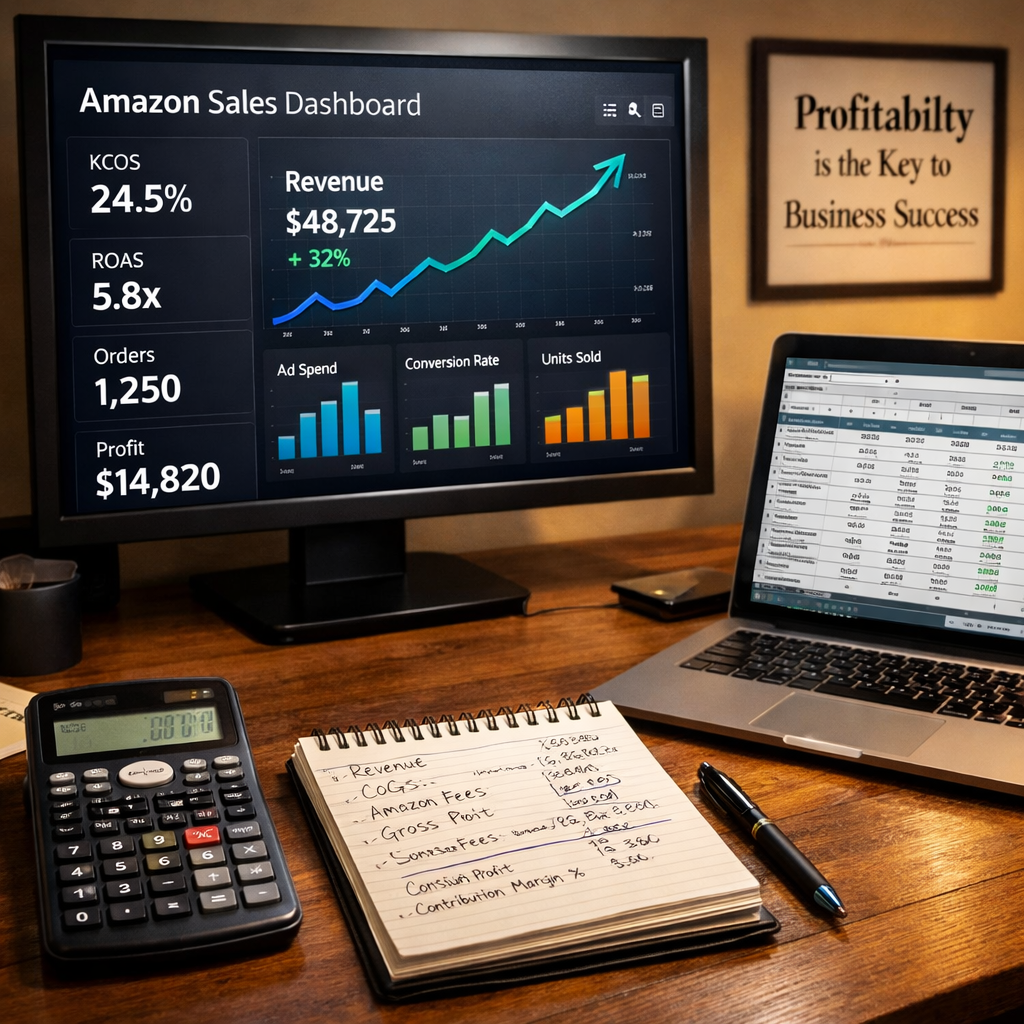
It's easy to feel like there's plenty of time left in the year.Prime Day just wrapped, summer is in full swing, and Black Friday still feels like a distant, abstract date on the calendar. But for ecommerce brands, that sense of spaciousness is an illusion. By the time Q4 actually arrives, the decisions that determine whether it's a record quarter or a stockout-riddled scramble have already been made — usually months earlier, in Q3.
How AI Is Changing the Way Brands Make Inventory Decisions
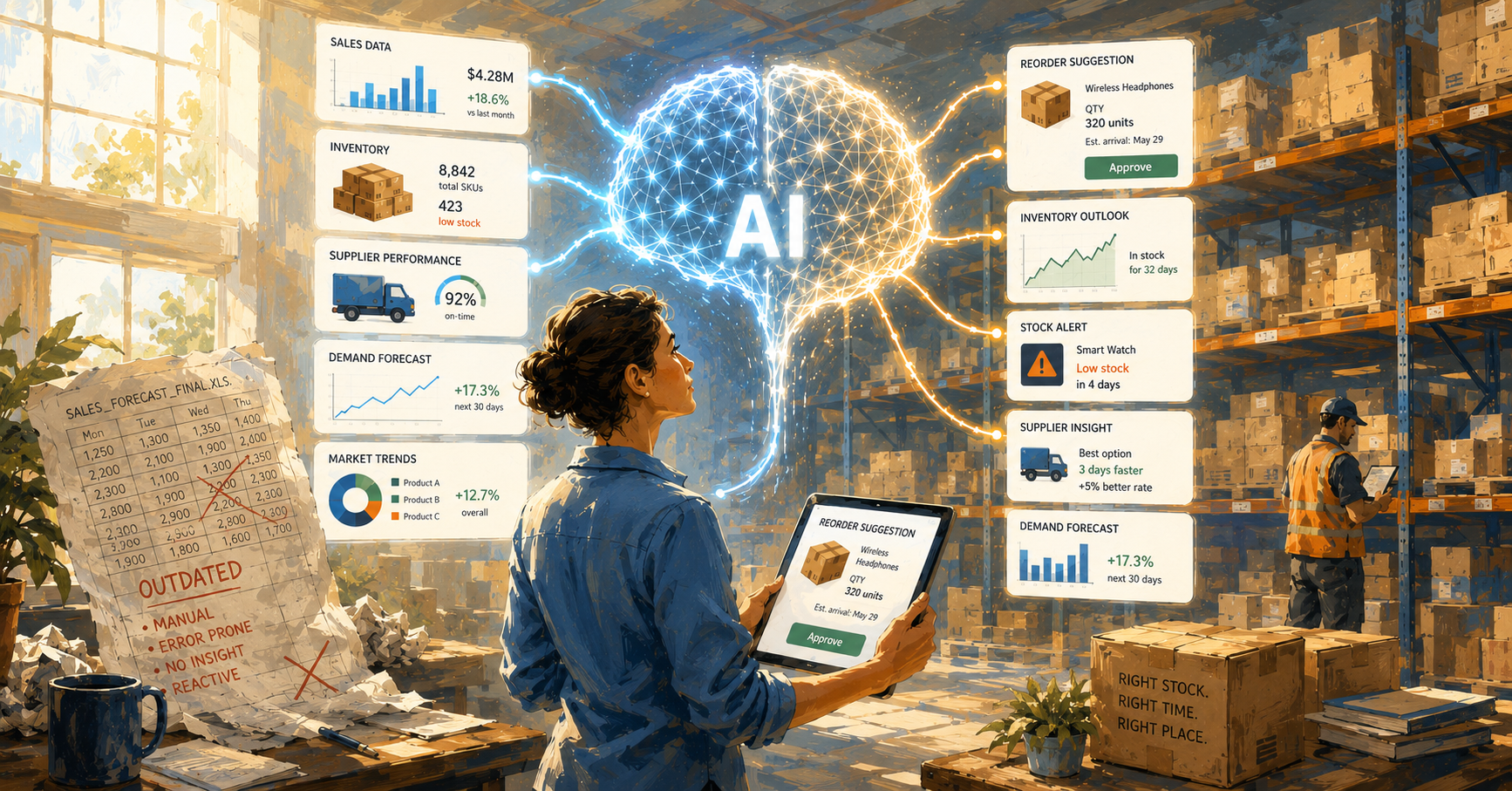
For most of retail history, inventory planning has been a guessing game dressed up as a science. Buyers look at last year's sales, factor in a gut feeling about the season, pad the number "just in case," and place a purchase order. Sometimes it works. Often, it doesn't — and the result is either a stockout that costs you sales and rank, or a warehouse full of product that ties up cash for months. Understandingwhere ecommerce brands actually lose money in inventory is the first step toward fixing it.
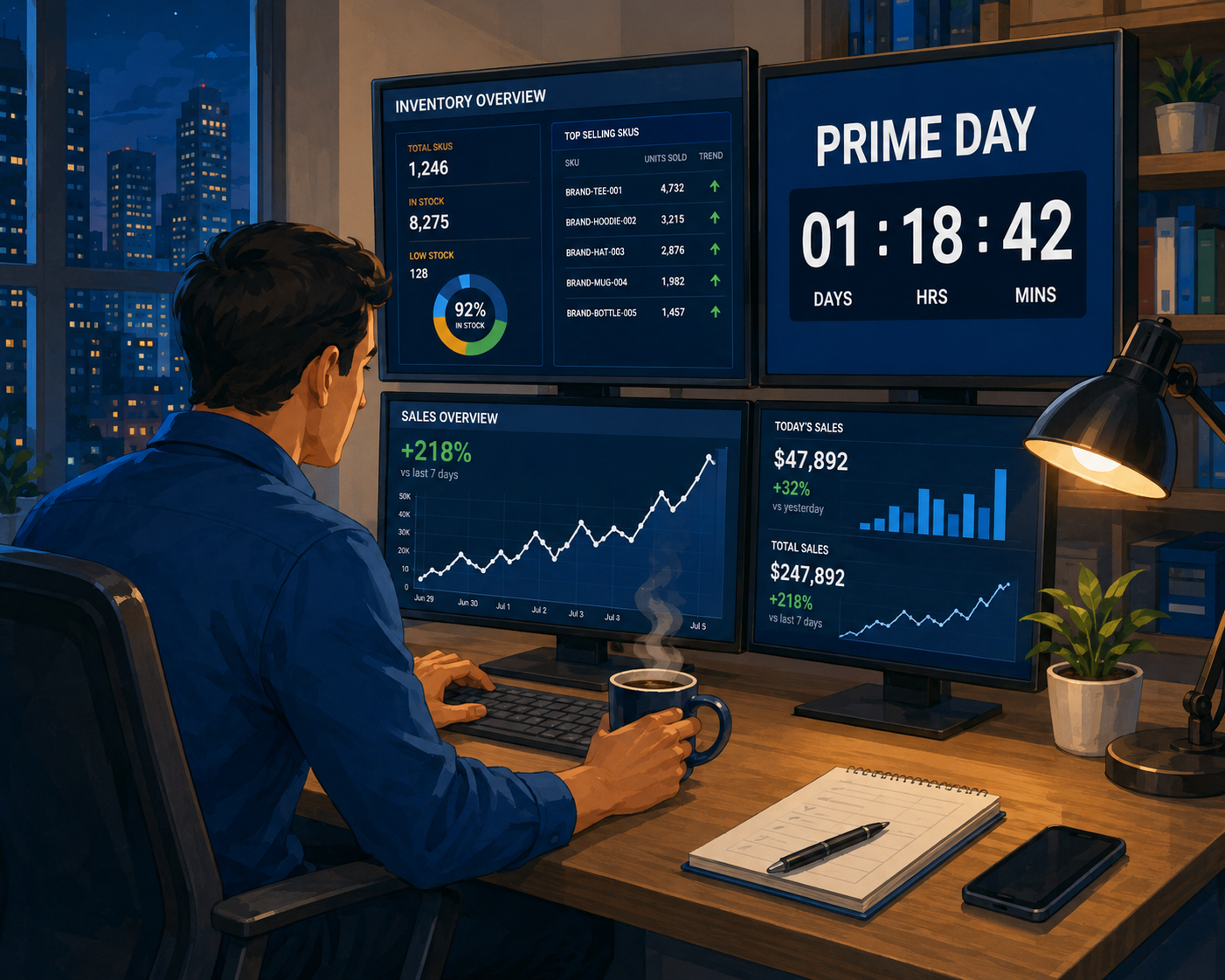
Why Prime Day Is the Ultimate Test of Your Inventory Strategy
For Amazon sellers, Prime Day is one of the most anticipated events on the calendar. It consistently ranks among the highest-volume sales days of the year, and for many brands it represents a significant share of annual revenue. But Prime Day is also one of the most unforgiving events from aninventory planning perspective.
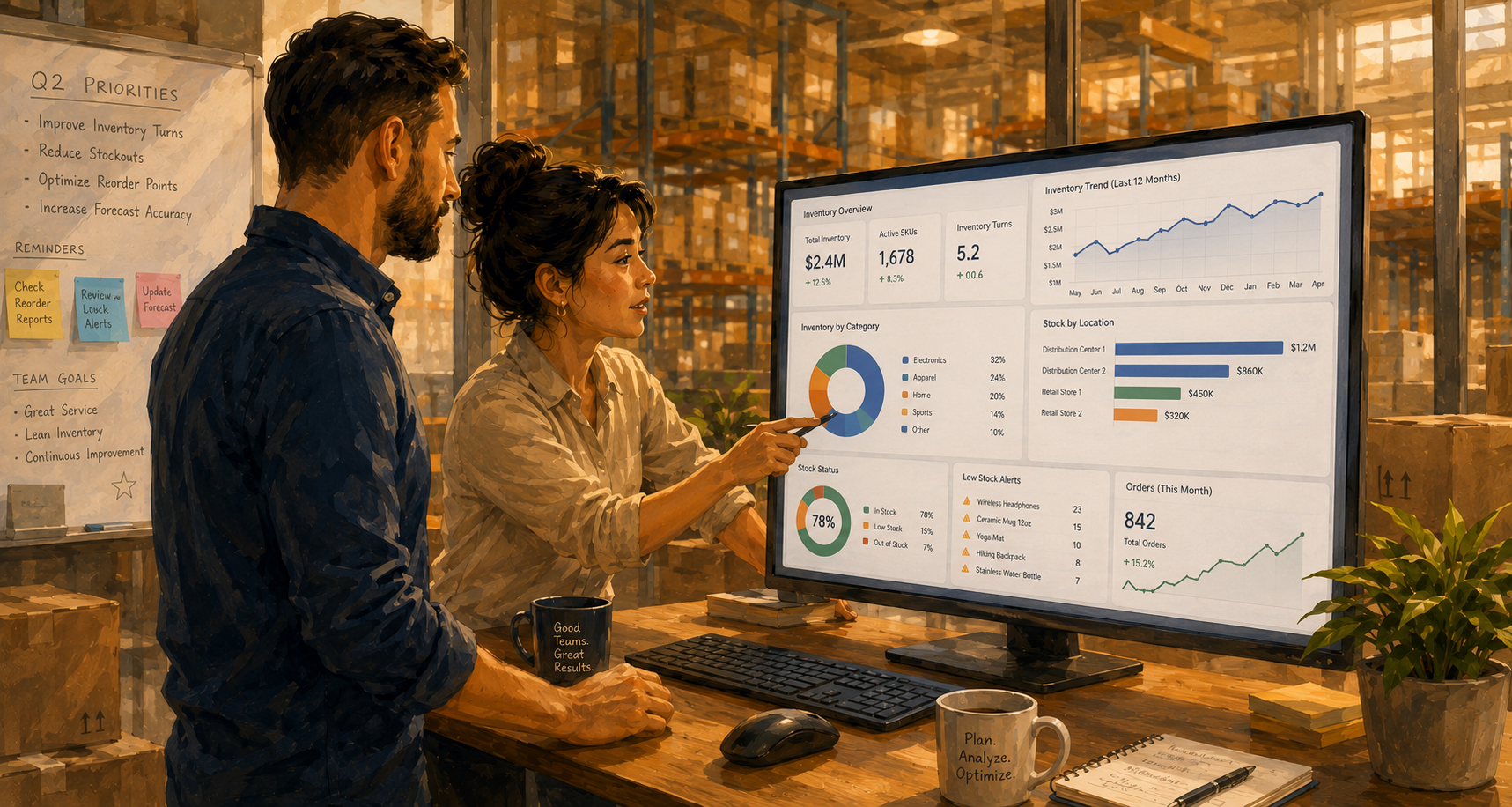
Stop Managing Inventory and Start Talking To It
For most ecommerce brands, inventory management looks something like this: a spreadsheet, a dashboard, a weekly report someone pulls manually, and a standing meeting to review numbers that are already a few days old by the time the team sees them.
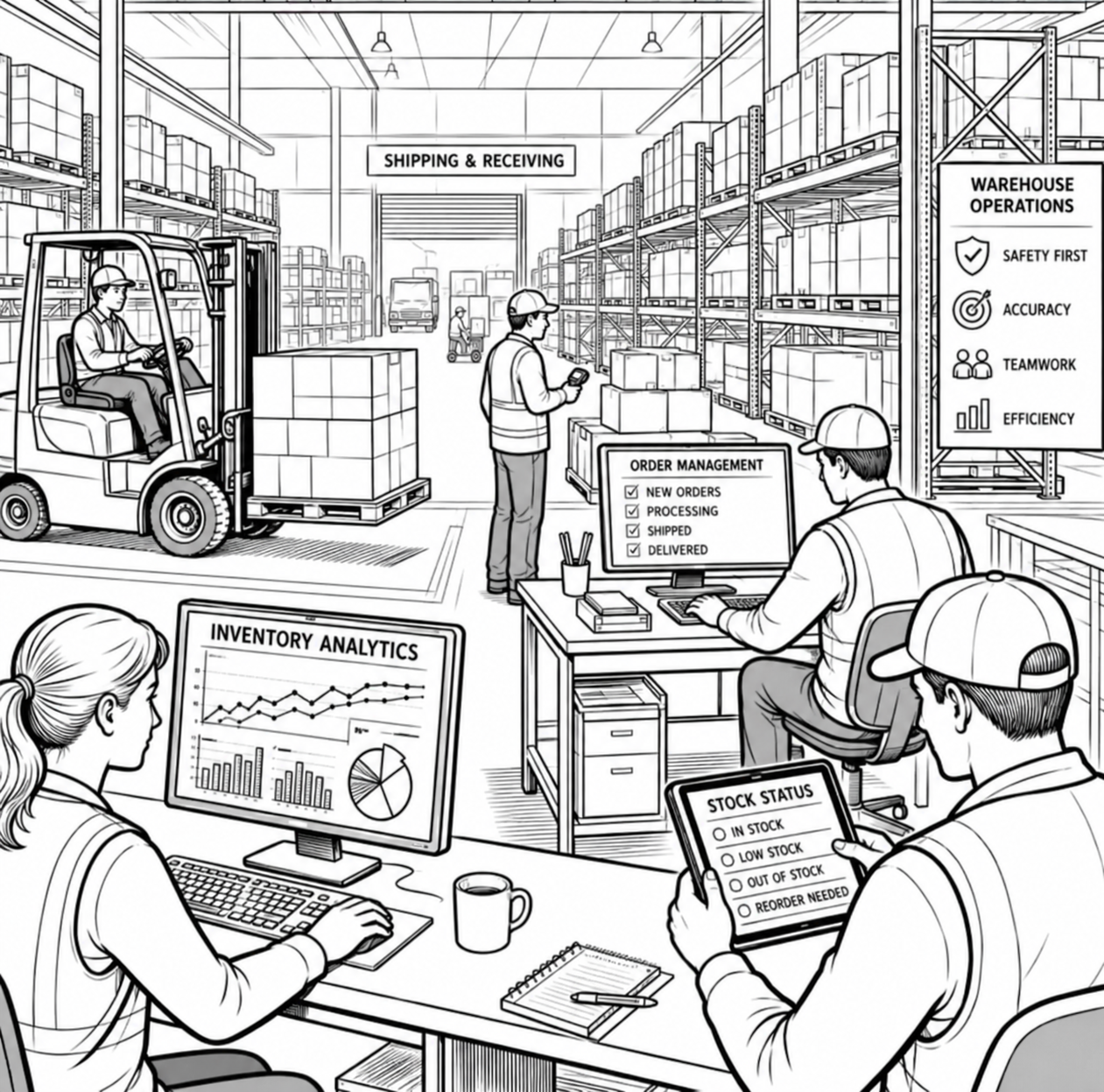
Where Ecommerce Brands Lose Money in Inventory (and How AI Fixes It)
Inventory is one of the most important — and most misunderstood — drivers of profitability in ecommerce. Most brands think about inventory primarily from an operational standpoint. Do we have enough stock? Are shipments arriving on time? Can we fulfill customer orders quickly enough?
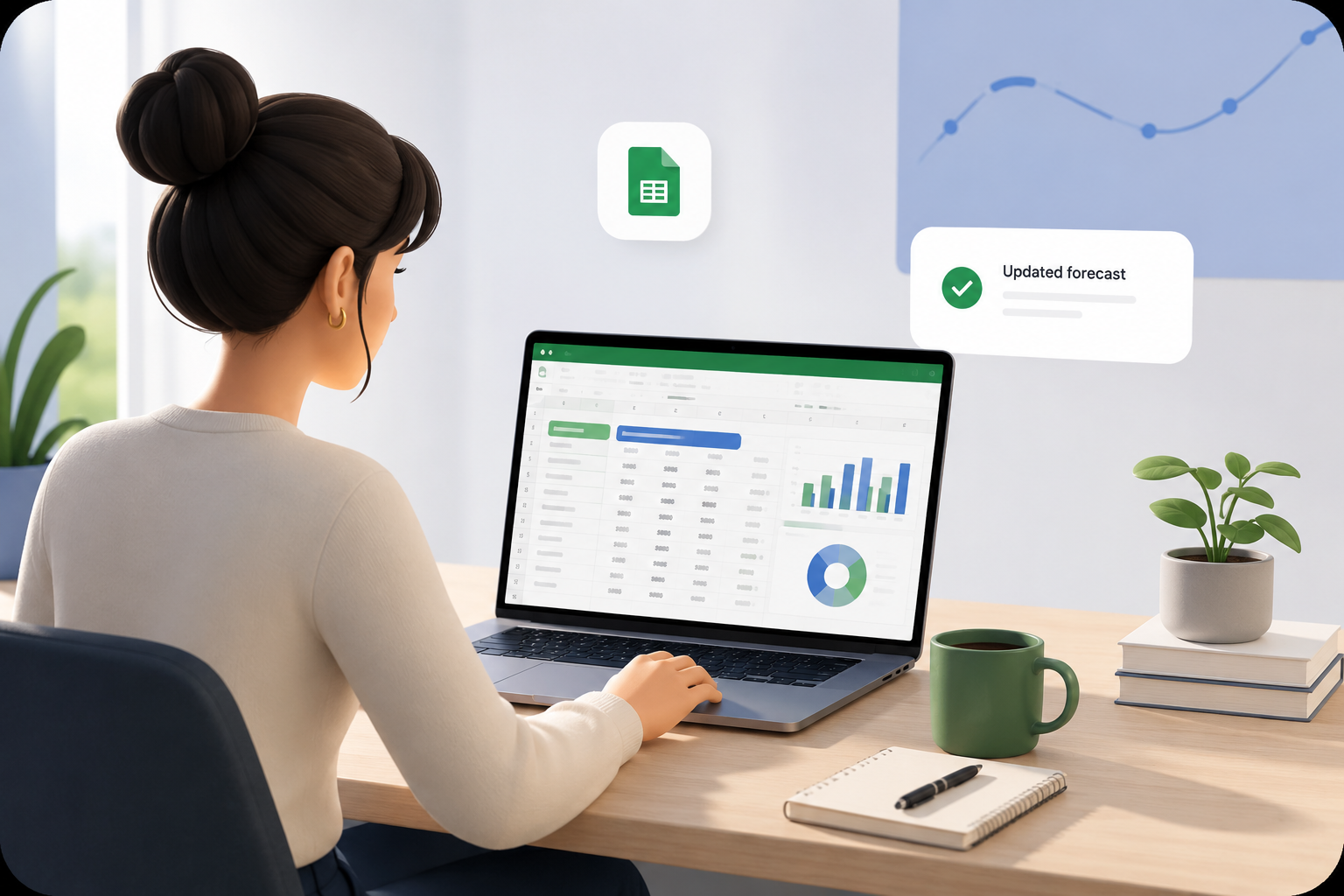
Why Amazon Sellers Are Moving from Spreadsheets to AI for Inventory Planning
For years, spreadsheets were the default solution for inventory planning in ecommerce. They were flexible, inexpensive, and familiar. In the early stages of an Amazon business, a spreadsheet could handle forecasting, reorder calculations, supplier tracking, and inventory monitoring well enough to support growth.

When Should You Use AI for Demand Forecasting? (Use Cases + Examples)
Inventory forecasting used to be relatively straightforward.
Brands looked at historical sales trends, estimated future demand, and reordered inventory accordingly. But ecommerce has changed dramatically over the last several years. Customer behavior moves faster, trends emerge overnight, and a single viral moment can completely disrupt months of inventory planning.

How AI Improves Demand Planning Accuracy for Ecommerce Brands
Demand planning has always been important in ecommerce, but in recent years, it has become significantly harder to get right.
Consumer demand moves faster than ever. A product can suddenly spike because of a TikTok video, a creator mention, or a successful ad campaign. Seasonal trends shift unexpectedly. Marketplace algorithms change overnight. At the same time, ecommerce brands are managing inventory across more channels, more SKUs, and more fulfillment locations than ever before.
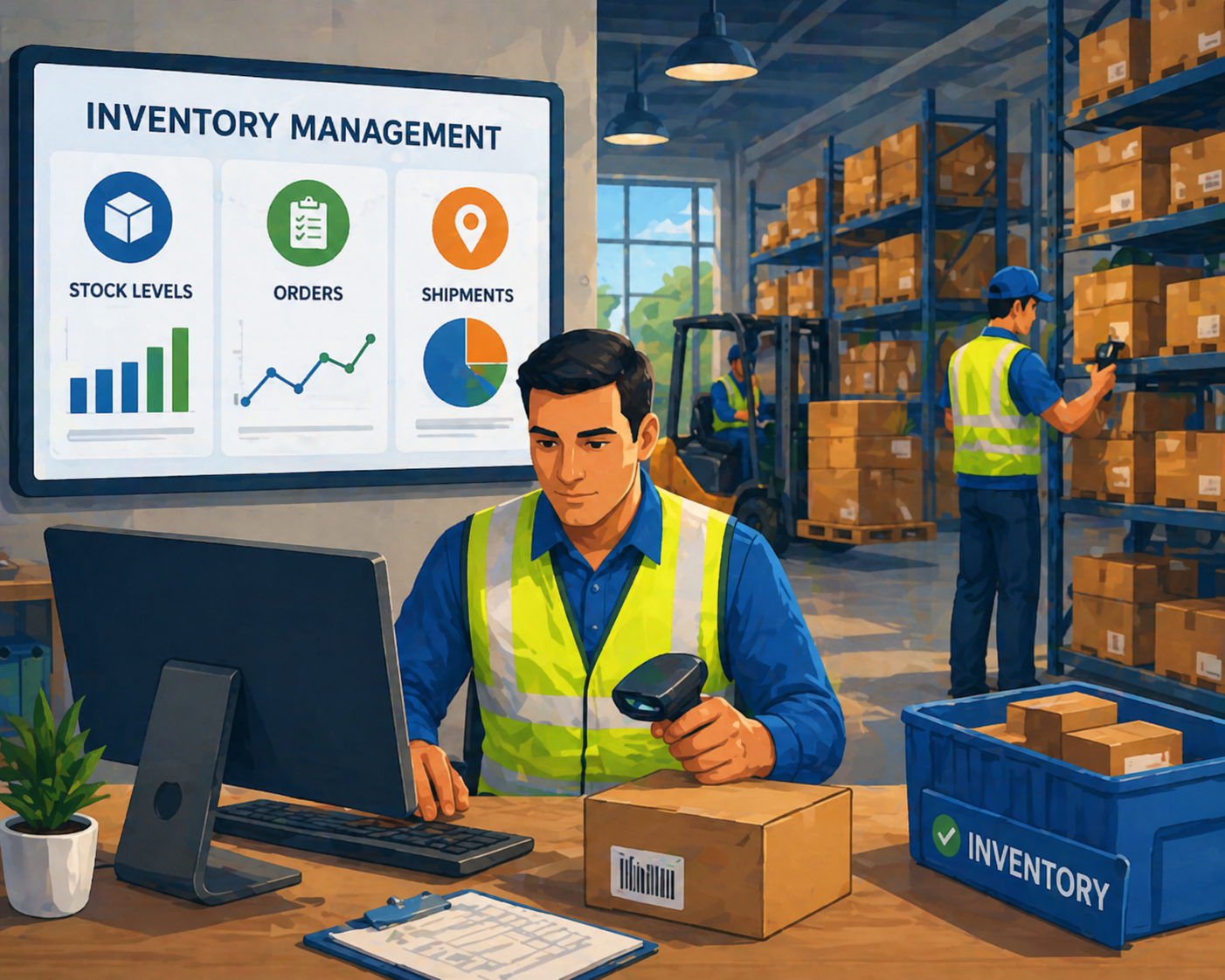
Inventory Planning vs Inventory Management: What’s the Difference?
Inventory planning and inventory management are often grouped together, and while they are closely connected, they serve very different purposes within an ecommerce business. Understanding that difference is critical for brands trying to grow efficiently, protect margins, and avoid the constant cycle of stockouts and excess inventory.