

Every ecommerce brand wants a strong Q4. Most of them plan for one. And yet, year after year, some brands emerge from peak season with record revenue, healthy margins, and strong momentum heading into the new year — while others spend January doing damage control, recovering from stockouts, writing off overstock, and figuring out what went wrong.
Author: Flieber

What the Best Ecommerce Operators Do Differently in Q4
Every ecommerce brand wants a strong Q4. Most of them plan for one. And yet, year after year, some brands emerge from peak season with record revenue, healthy margins, and strong momentum heading into the new year — while others spend January doing damage control, recovering from stockouts, writing off overstock, and figuring out what went wrong.

Why Asking Your Data the Right Questions Could Transform Your Q4 Strategy
Q4 is the quarter where ecommerce brands win or lose the year. For many, the period from October through December represents 30 to 50 percent of annual revenue compressed into a matter of weeks. The difference between a brand that crushes it and a brand that scrambles through it often comes down to one thing: how quickly they can access accurate information and act on it.

From Manual to Intelligent: The Evolution of Ecommerce Operations
Ecommerce operations have always required teams to balance a complicated set of moving parts. Inventory needs to be in the right place at the right time, purchase orders need to account for supplier lead times, forecasts need to adjust as demand changes, and decisions across marketing, finance, and operations need to stay aligned.

How to Optimize Inventory Management for Ecommerce Brands
Inventory is where ecommerce brands win or lose. Not in marketing. Not in product design. Not in customer acquisition. In the unglamorous, complicated, and often underappreciated work of making sure the right products are in the right places in the right quantities at the right time.

How to Forecast Demand for a New Product With No Sales History
Demand forecasting is hard enough when you have years of sales data to work with. When you're launching a brand new product — one that has never been sold before — you're working with nothing. No trendline to extrapolate. No seasonality to account for. No historical velocity to build from.

How to Build Your Q4 Inventory Plan in Q3 (Before It's Too Late)
For ecommerce brands, Q4 is the year in miniature. Black Friday. Cyber Monday. Holiday gifting. The weeks between Thanksgiving and Christmas can represent anywhere from 30 to 50 percent of annual revenue for some brands — compressed into a matter of weeks. Get it right and you finish the year strong. Get it wrong and you spend Q1 recovering from stockouts, excess inventory, and the ranking damage that comes with both.
How AI Is Making Ecommerce Supply Chains Leaner and More Efficient
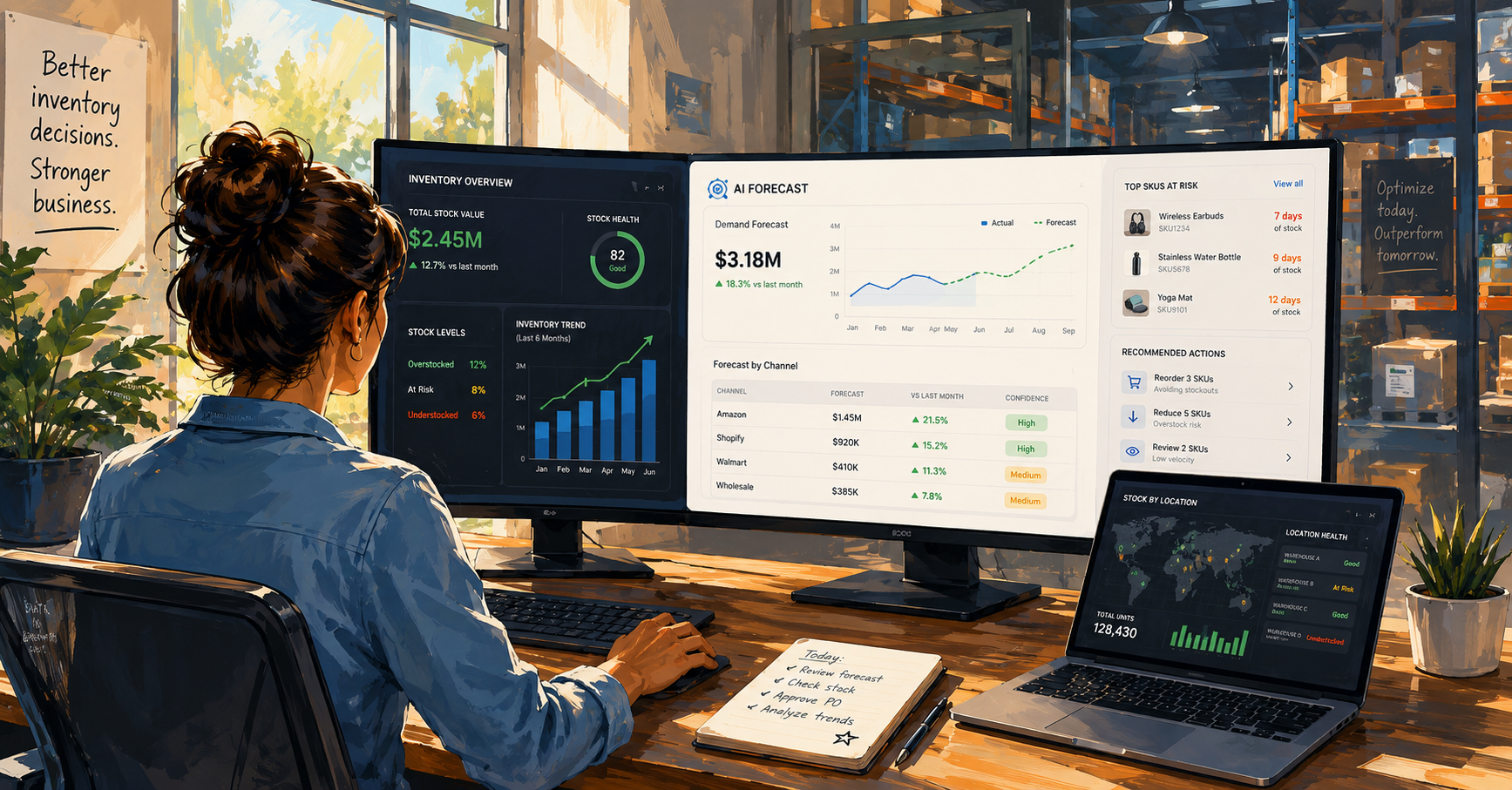
Running a lean supply chain used to mean one thing: cut costs wherever possible. Reduce headcount, negotiate harder with suppliers, squeeze every dollar out of freight. It was a game of minimization, and it came with real tradeoffs — lower safety stock meant higher stockout risk, tighter supplier terms meant less flexibility, and leaner teams meant more pressure on the people left.
Q3 Is Here. If You Haven't Started Planning for Q4, You're Already Late.
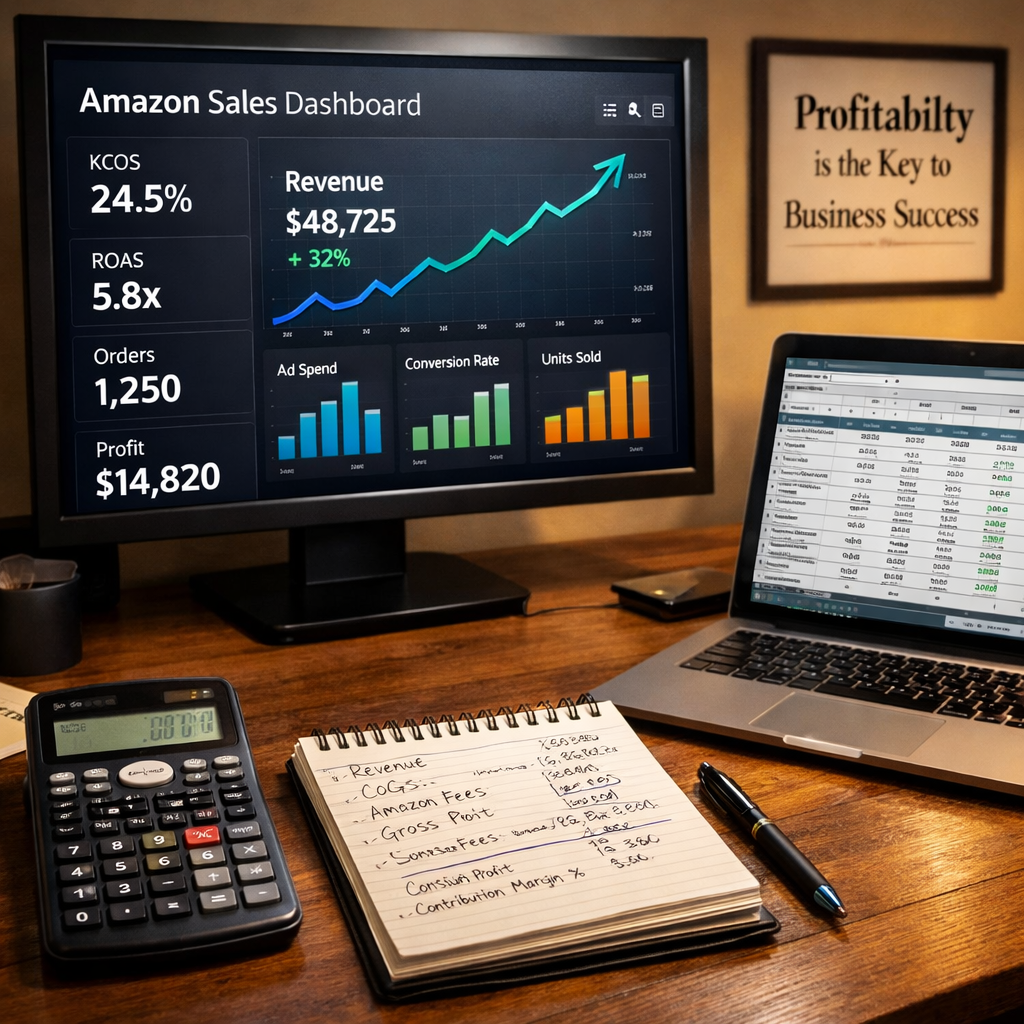
It's easy to feel like there's plenty of time left in the year.Prime Day just wrapped, summer is in full swing, and Black Friday still feels like a distant, abstract date on the calendar. But for ecommerce brands, that sense of spaciousness is an illusion. By the time Q4 actually arrives, the decisions that determine whether it's a record quarter or a stockout-riddled scramble have already been made — usually months earlier, in Q3.

How AI Is Changing the Way Brands Make Inventory Decisions
For most of retail history, inventory planning has been a guessing game dressed up as a science. Buyers look at last year's sales, factor in a gut feeling about the season, pad the number "just in case," and place a purchase order. Sometimes it works. Often, it doesn't — and the result is either a stockout that costs you sales and rank, or a warehouse full of product that ties up cash for months. Understandingwhere ecommerce brands actually lose money in inventory is the first step toward fixing it.
