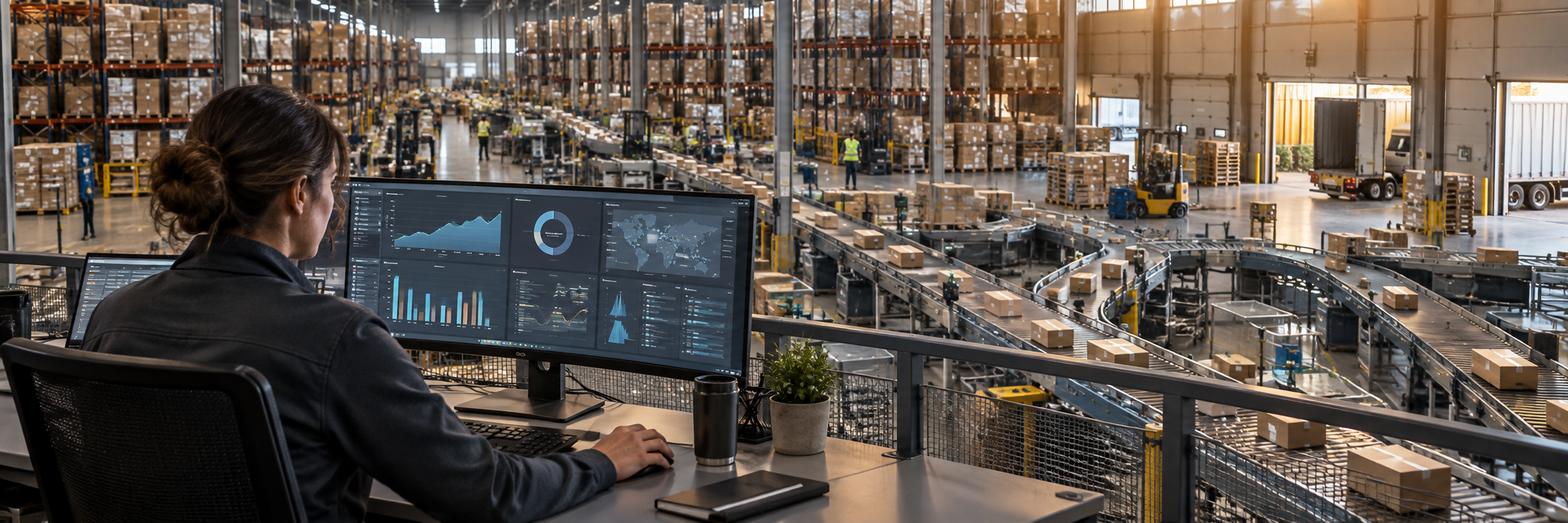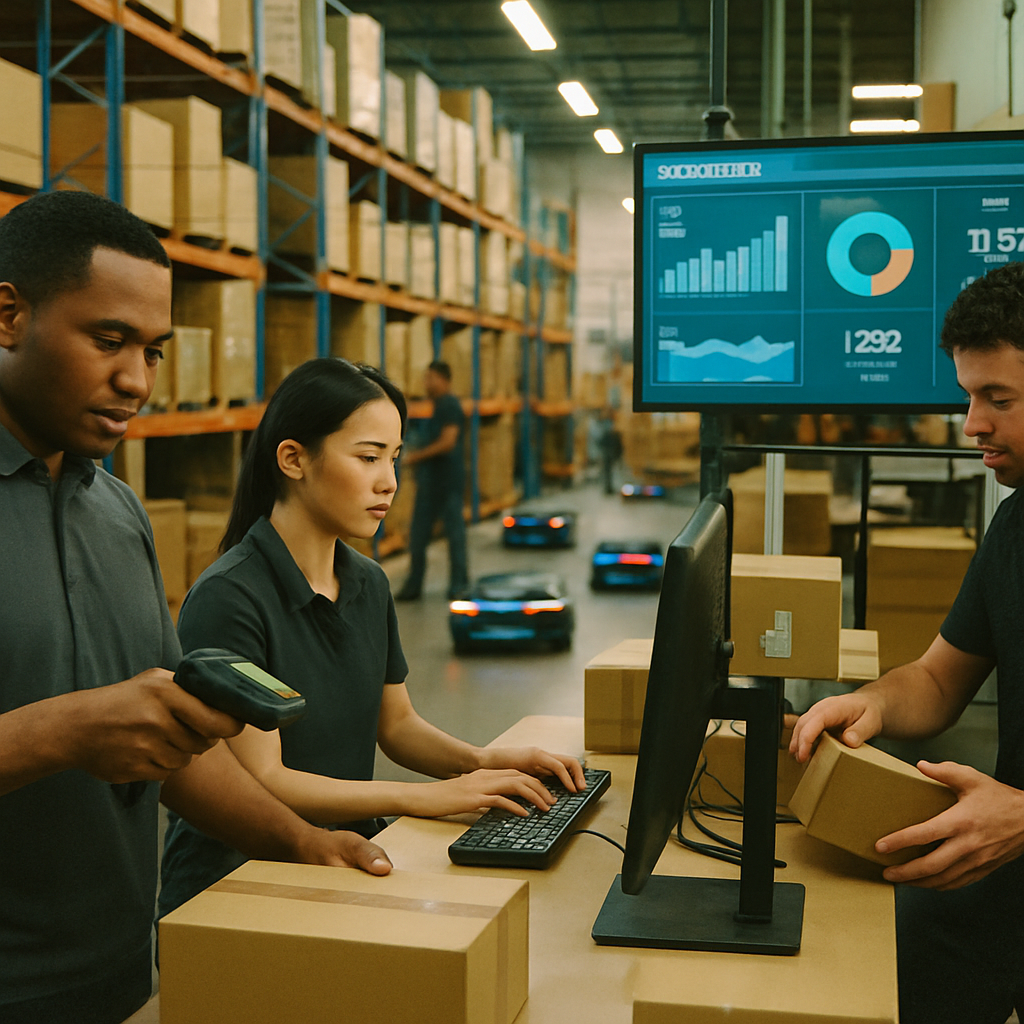

Inventory automation is the use of software systems to execute inventory processes with minimal manual intervention. In ecommerce operations, it reduces human error, improves data timeliness, and enables inventory decisions and execution to scale with order volume and channel complexity.
Inventory automation is sometimes referred to as automated inventory management; this article uses “inventory automation” consistently.
1. What it is (Definition)Inventory automation replaces repetitive, manual inventory tasks with system-driven workflows that update inventory data and trigger actions automatically. Its primary objective is to maintain accurate inventory information while reducing operational friction and latency.
Rather than relying on manual updates or spreadsheets, inventory automation ensures that inventory movements are captured as they happen. Sales, receipts, transfers, and adjustments are reflected in systems without human intervention.
In ecommerce, where transactions occur continuously and across multiple platforms, automation is not about eliminating oversight. It is about ensuring consistency, speed, and reliability in inventory execution as complexity increases.
2. Who it’s forInventory automation is most valuable for mid-market ecommerce brands and aggregators operating with high order volumes and multiple sales channels.
Shopify-based ecommerce brands use inventory automation to keep inventory levels synchronized between their storefront, fulfillment locations, and third-party tools, preventing overselling during traffic spikes.
Amazon and Walmart 3P sellers rely on automation to keep marketplace listings accurately updated as inventory is sold through DTC channels or transferred between fulfillment programs.
Multichannel ecommerce teams benefit most from inventory automation because manual updates do not scale. As channels and locations increase, automation becomes essential to maintaining a single source of truth for inventory.
3. How it worksInventory automation operates through integrations between ecommerce platforms, marketplaces, warehouses, and inventory systems. When a sale occurs, inventory is automatically decremented across all connected channels.
Inbound inventory receipts trigger automatic increases in available stock once goods are received and confirmed. Transfers between locations update inventory availability without requiring manual reconciliation.
Automation also supports rule-based workflows. Reorder alerts, minimum stock thresholds, and exception notifications prompt planners to act before inventory issues escalate, without replacing human decision-making.
Data flows in near real time, reducing delays between physical movements and system updates. This timeliness is critical in high-velocity ecommerce environments where minutes of delay can result in overselling or stockouts.
4. Key metricsInventory turnover benefits indirectly from automation because faster, more reliable data enables quicker replenishment and fewer execution delays.
Sell-through rate improves when inventory availability is accurately reflected across channels, ensuring products remain sellable whenever stock exists.
Weeks of supply becomes more reliable when on-hand and inbound inventory data is consistently updated without lag or manual error.
Fill rate increases as automation reduces stockouts caused by data mismatches, delayed updates, or overselling between channels.
Together, these metrics help evaluate whether automation is improving execution quality rather than simply adding technical complexity.
5. FAQIs inventory automation expensive to implement?
Costs vary based on system complexity, integration depth, and order volume, but automation is often justified by reduced errors and labor.
Does inventory automation replace inventory planners?
No. Automation supports planners by handling execution tasks, allowing them to focus on decision-making.
What should be automated first in ecommerce inventory?
Inventory syncing across channels and automatic stock updates are typically the highest-impact starting points.
Can inventory automation fail?
Yes. Automation depends on accurate inputs and integrations; poor data quality can propagate errors quickly.
Is inventory automation required to scale an ecommerce business?
At mid-market scale and above, automation becomes practically necessary to maintain accuracy and control.